A/c Troubleshooting: How to Recognize and Resolve Common Issues in Your A/c Unit
A/c troubleshooting plays a crucial function in keeping air conditioning units. Determining usual issues can greatly boost system performance and convenience. Indicators such as poor cooling, weird sounds, or unpleasant odors typically indicate underlying troubles. Normal upkeep is key, but some issues may require expert treatment. Comprehending these aspects can assist home owners make educated decisions about their a/c systems, yet many remain unclear concerning the very best actions to take when confronted with these difficulties.
Understanding Inadequate Cooling Down
It can frequently lead to frustration and pain when property owners experience inadequate air conditioning from their Heating and cooling systems. This concern may emerge from several variables, including unclean air filters, which restrict air flow and hinder efficiency. Additionally, cooling agent leaks can stop the system from absorbing warm effectively, leading to not enough cooling. One more usual cause is the wrong sizing of the unit; an air conditioning unit that is also small for the room will battle to maintain wanted temperature levels. In addition, obstructed ductwork can block air distribution, contributing to irregular cooling throughout the home. Property owners might likewise ignore the relevance of regular upkeep, which is vital for peak capability. By identifying these prospective problems, individuals can take aggressive measures to ensure their heating and cooling systems run efficiently and offer the necessary comfort throughout warmer months. Understanding these factors is significant for maintaining a enjoyable and awesome interior setting.
Identifying Odd Noises From Your air conditioner
Unusual audios rising from an air conditioning system can signify underlying concerns that require attention. Typical noises consist of rattling, which might suggest loose components, or hissing, commonly related to refrigerant leaks. A grinding sound might suggest worn-out bearings, while a piercing squeal may indicate a malfunctioning motor or belt.

House owners should not overlook these auditory clues, as they can result in even more considerable damages if left unaddressed. Routine upkeep, including inspections and cleansing, can help reduce these concerns. Identifying the source of odd sounds early on is vital for maintaining peak a/c efficiency and lengthening the life-span of the unit.
Determining Unpleasant Odors
Recognizing unpleasant smells in cooling and heating systems is essential for preserving interior air top quality. These odors can originate from numerous resources, including mold and mildew growth or stagnant water, and might show potential problems within the system. Executing preventative maintenance pointers can aid minimize these smells and boost overall system performance.
Source of Odors
Undesirable smells rising from a heating and cooling system can signify numerous underlying concerns that call for attention. A musty smell often indicates mold or mildew growth within the ductwork or on the evaporator coils, normally because of excess dampness. Alternatively, a burning smell might recommend electric problems or overheating parts, requiring instant expert assessment. A solid, poignant scent resembling rotten eggs could indicate a gas leakage, which postures significant safety risks. Additionally, a sweet odor might be an indicator of cooling agent leakages, which can damage both the system and the setting. Recognizing these odors at an early stage is important for maintaining both the efficiency of the heating and cooling unit and the security of the home environment.
Preventive Upkeep Tips
Regular preventative upkeep can substantially minimize the risk of undesirable odors in cooling and heating systems. Regular evaluations of air filters are necessary, as blocked filters can catch dust, mold and mildew, and germs, releasing nasty smells. Cleaning up or replacing filters every 1-3 months can notably improve air quality. Examining and cleansing the evaporator and condenser coils assurances efficient procedure and protects against odor build-up. It is likewise vital to inspect drainage pans and lines for obstructions or leakages, as stationary water can lead to mold development. Additionally, validating proper air flow and airflow assists maintain the system fresh. Consistently organizing expert maintenance enables technicians to identify and address prospective concerns before they intensify, preserving a healthy and balanced indoor environment complimentary from undesirable odors.
Troubleshooting Thermostat Issues
When a thermostat malfunctions, the convenience of a home can promptly reduce, triggering the requirement for efficient troubleshooting. The initial step involves examining the power supply; making sure that the thermostat is obtaining electricity is crucial. A stumbled breaker or blown fuse may be the culprit. Next, one must check out the thermostat setups. Inaccurate settings or a malfunctioning program can bring about irregular temperature levels.
It is likewise essential to examine the thermostat itself for dirt or debris, as these can prevent its efficiency. Calibration problems may develop also; a miscalibrated thermostat can cause incorrect temperature level analyses. In such situations, recalibrating or replacing the tool may be required. Lastly, verifying compatibility with the heating and cooling system can prevent recurring problems. Dealing with these usual thermostat troubles can recover comfort and performance to any home.
Examining Refrigerant Levels
Keeping proper refrigerant degrees is essential for the effective operation of any kind of HVAC system - Air Conditioning Repair. Cooling agent plays a substantial function in heat exchange, making it possible for the cooling system to cool down indoor spaces effectively. When levels are also reduced, the system can have a hard time to cool, causing enhanced power usage and potential damages
To evaluate cooling agent degrees, one should first find the service ports on the unit. Utilizing a pressure scale, the service technician can evaluate if the cooling agent pressure falls within the supplier's specified array. If analyses suggest reduced her latest blog cooling agent levels, it might aim to leaks or poor billing throughout maintenance.
In such cases, it's recommended to seek advice from a qualified HVAC technician for fixing and repair services. They can recognize leak sources and guarantee the system is charged properly, advertising longevity and efficiency. Routine refrigerant level checks add to peak heating and cooling efficiency and aid stay clear of pricey break downs.
Checking Air Filters and Ducts
In heating and cooling troubleshooting, examining air filters and air ducts is essential for maintaining system effectiveness. Checking the problem of air filters guarantees proper air flow and interior air high quality, while examining ductwork honesty identifies potential leaks or clogs. With each other, these steps add to the overall performance and long life of the a/c system.
Inspecting Air Filter Condition
Air filters play a vital duty in the efficiency index and performance of HVAC systems. They trap dirt, pollen, and other air-borne fragments, avoiding them from getting in the device and the interior atmosphere. In time, filters can become clogged up, causing reduced air movement and raised stress on the system. Regular inspection of air filter problem is crucial for preserving peak efficiency. House owners ought to examine filters monthly, replacing or cleansing them as necessary, commonly every 1 to 3 months. A noticeably unclean filter shows a requirement for immediate attention. Additionally, making sure that the appropriate kind of filter is made use of improves performance. By focusing on air filter maintenance, home owners can enhance interior air high quality and prolong the life expectancy of their HVAC system.
Analyzing Ductwork Stability
When to Call a Specialist Specialist
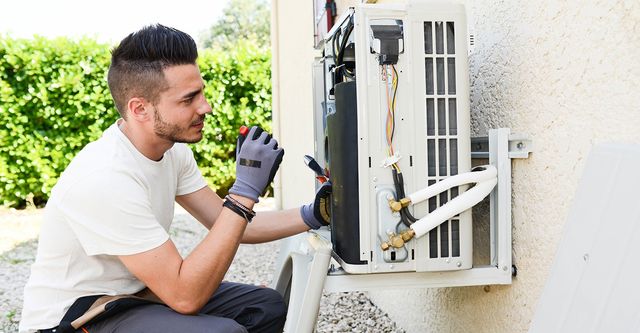
When should home owners consider connecting to a specialist technician for heating and cooling problems? There are numerous indications that suggest specialist treatment is required. These could signal underlying issues calling for expert diagnosis if a house owner notifications inconsistent heating or cooling, odd sounds, or undesirable smells rising from the device. Additionally, if the air conditioning system frequently cycles on and off or fails to maintain the desired temperature level, it might be time to seek advice from a professional.
Additionally, any type of considerable rise in power costs without a corresponding modification in usage can suggest inefficiencies that an expert can attend to. Property owners ought to also seek assistance if they run into refrigerant leaks, which can be hazardous and need specific expertise to deal with. Ultimately, attempting repair services without proper training can lead to further damage or safety risks, reinforcing the significance of calling a qualified technician when heating and cooling problems emerge.
Regularly Asked Inquiries
Just how Often Should I Schedule Routine Upkeep for My AC Device?
The frequency of routine upkeep for a cooling system is normally recommended two times a year. This ensures perfect performance, prolongs the unit's life-span, and assists avoid possible issues from creating during top usage periods.
Can I Fix My Air Conditioner Unit Myself, or Should I Always Hire an Expert?
The specific thought about whether to fix their air conditioning system directly or hire an expert. navigate to these guys Air Conditioning Repair Tampa. While minor problems might be manageable, complicated problems usually require a professional's expertise to guarantee security and performance in repair services
What Is the Ordinary Lifespan of a Cooling System?
The typical life expectancy of a cooling unit normally ranges from 15 to 20 years. Aspects affecting durability consist of upkeep, use, and ecological conditions, which can considerably influence efficiency and efficiency throughout its operational life.
How Do I Know if My Air Conditioning System Is Energy-Efficient?
To identify an a/c unit's energy efficiency, one should examine its SEER ranking, contrast it to market requirements, evaluate energy costs for patterns, and take into consideration the system's age and maintenance history for efficiency insights.
Are There Any Kind Of Do It Yourself Solutions for Common Cooling Troubles?
Several people check out DIY solutions for common cooling issues. Basic tasks like cleaning filters, examining thermostat settings, and inspecting water drainage lines can improve efficiency and address small problems without specialist treatment, promoting cost-effective upkeep.
Determining undesirable odors in Heating and cooling systems is essential for keeping indoor air quality. In A/c troubleshooting, inspecting air filters and ducts is important for keeping system efficiency. Evaluating the problem of air filters assurances correct air movement and indoor air quality, while assessing ductwork stability recognizes potential leaks or blockages. Air filters play a crucial role in the efficiency and capability of Heating and cooling systems. Routine assessment of duct systems is critical to identify leakages, clogs, or damage that can restrain air distribution.